
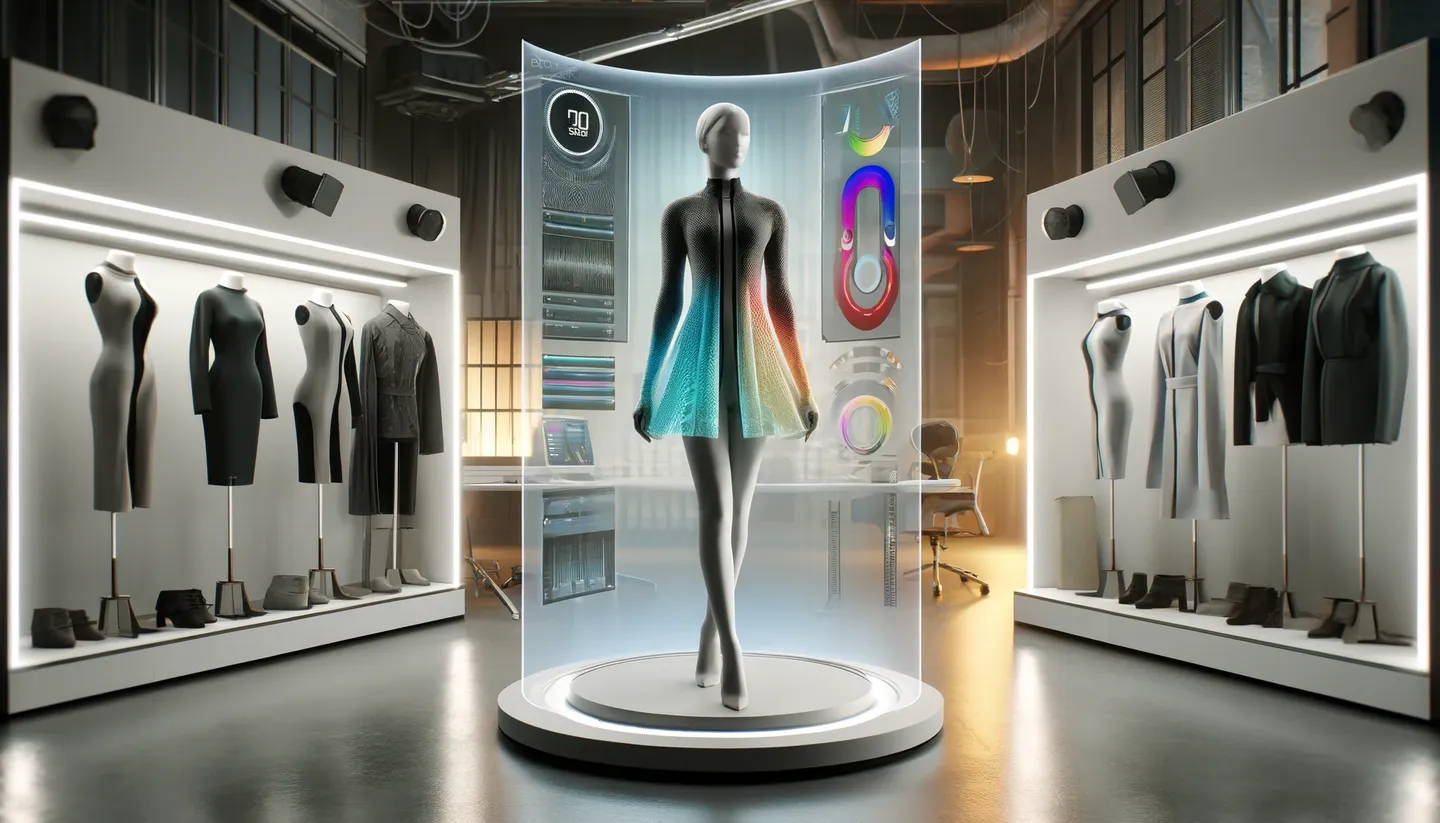
The intersection of fashion and technology has given rise to a revolutionary trend: smart fabrics. These innovative textiles are transforming the way we think about clothing, offering functionality that goes beyond aesthetics. Imagine a world where your clothes can adapt to your body temperature, keeping you cool in the summer and warm in the winter. This is no longer a futuristic fantasy - it’s a reality made possible by advancements in fashion tech. In this blog, we’ll explore the fascinating world of temperature-regulating fabrics, how they work, and why they’re poised to become a staple in the future of sustainable fashion and wearable technology.
What Are Smart Fabrics?
Smart fabrics, also known as intelligent textiles, are materials engineered to interact with their environment or the wearer. These fabrics can sense, react, and adapt to external stimuli such as temperature, humidity, or even physiological changes in the body. One of the most exciting applications of smart fabrics is their ability to regulate body temperature, ensuring optimal comfort in any climate.
The development of these fabrics is a result of cutting-edge research in nanotechnology, biomaterials, and wearable tech. By integrating advanced materials like phase-change materials (PCMs), thermochromic dyes, and conductive fibers, designers and scientists are creating clothing that can dynamically adjust to your body’s needs.
How Do Temperature-Regulating Fabrics Work?
The science behind temperature-adaptive fabrics is both complex and fascinating. Here’s a breakdown of the key technologies driving this innovation:
1. Phase-Change Materials (PCMs):
PCMs are substances that absorb, store, and release heat as they change from solid to liquid or vice versa. When incorporated into fabrics, these materials can absorb excess body heat when you’re warm and release it when you’re cold. This creates a thermoregulating effect that keeps you comfortable in varying conditions.
2. Thermochromic Dyes:
These are special dyes that change color in response to temperature fluctuations. While primarily used for aesthetic purposes, thermochromic dyes can also provide visual feedback on your body temperature, adding an interactive element to your clothing.
3. Conductive Fibers:
Conductive fibers are woven into fabrics to create a network of sensors that monitor body temperature and other physiological data. These fibers can communicate with wearable devices or smartphone apps, allowing you to track your comfort levels in real time.
4. Moisture-Wicking and Breathable Fabrics:
Many temperature-regulating fabrics also incorporate moisture-wicking and breathable properties. By drawing sweat away from the skin and allowing air to circulate, these textiles enhance the body’s natural cooling mechanisms.
The Benefits of Smart Fabrics
The rise of smart clothing offers numerous benefits for consumers, the fashion industry, and the planet:
1. Enhanced Comfort:
The primary advantage of temperature-adaptive fabrics is their ability to keep you comfortable in any environment. Whether you’re hiking in the mountains or commuting in the city, these fabrics ensure you stay at the perfect temperature.
2. Sustainability:
As the fashion industry grapples with its environmental impact, sustainable fashion has become a top priority. Smart fabrics can contribute to sustainability by reducing the need for multiple layers of clothing or energy-intensive heating and cooling systems.
3. Health and Wellness:
Some smart fabrics are designed to monitor vital signs like heart rate, respiration, and body temperature. This makes them ideal for athletic wear, medical garments, and elderly care, where health monitoring is crucial.
4. Fashion Meets Functionality:
Gone are the days when functionality meant sacrificing style. Today’s fashion tech seamlessly blends cutting-edge technology with sleek, modern designs, allowing you to look good while staying comfortable.
Applications of Smart Fabrics
The potential applications of temperature-regulating fabrics are vast and varied. Here are just a few examples:
1. Athletic Wear:
Athletes and fitness enthusiasts can benefit from clothing that adapts to their body temperature, enhancing performance and recovery. Brands like Nike and Under Armour are already incorporating smart fabrics into their sportswear lines.
2. Outdoor Gear:
For hikers, campers, and adventurers, smart outdoor gear can make all the difference. Jackets that adjust to the weather or sleeping bags that maintain a consistent temperature are just the beginning.
3. Everyday Fashion:
As smart fabrics become more affordable and accessible, they’re finding their way into everyday clothing. From temperature-regulating jeans to adaptive blazers, the possibilities are endless.
4. Medical and Healthcare:
In the healthcare sector, smart fabrics are being used to create garments that monitor patients’ health or provide therapeutic benefits. For example, compression wear with embedded sensors can help manage conditions like lymphedema or deep vein thrombosis.
5. Workwear:
For professionals working in extreme conditions - such as firefighters, construction workers, or astronauts - smart fabrics can provide critical protection and comfort.
The Future of Fashion Tech
The future of fashion tech is incredibly promising. As research and development continue, we can expect to see even more innovative applications of smart fabrics. Here are some trends to watch:
1. Integration with IoT:
The Internet of Things (IoT) is set to play a major role in the evolution of smart fabrics. Imagine a world where your clothing communicates with your home’s thermostat, adjusting the temperature before you even walk through the door.
2. Customization and Personalization:
Advances in 3D printing and AI-driven design will enable consumers to create fully customized garments tailored to their unique preferences and body types.
3. Eco-Friendly Innovations:
As sustainability becomes increasingly important, researchers are exploring ways to make smart fabrics more eco-friendly. This includes using biodegradable materials and developing closed-loop recycling systems.
4. Wider Accessibility:
While smart fabrics are currently associated with high-end fashion and specialized gear, advancements in manufacturing will make them more affordable and accessible to the average consumer.
Why Smart Fabrics Matter
In a world where climate change and technological advancements are reshaping our lives, smart fabrics offer a glimpse into a more sustainable and comfortable future. By combining the best of fashion and technology, these innovative textiles are redefining what clothing can do. Whether you’re an athlete, a fashion enthusiast, or simply someone who values comfort, temperature-regulating fabrics are worth paying attention to.
Conclusion
The fusion of fashion and technology has given birth to a new era of smart clothing. With their ability to adapt to your body temperature, these fabrics are revolutionizing the way we dress and interact with our environment. From athletic wear to everyday fashion, the applications of temperature-regulating fabrics are limitless. As the industry continues to innovate, we can look forward to a future where our clothes are not just stylish but also intelligent, sustainable, and deeply personalized.